worldlink express service co.,ltd
We link the world 
We link the world


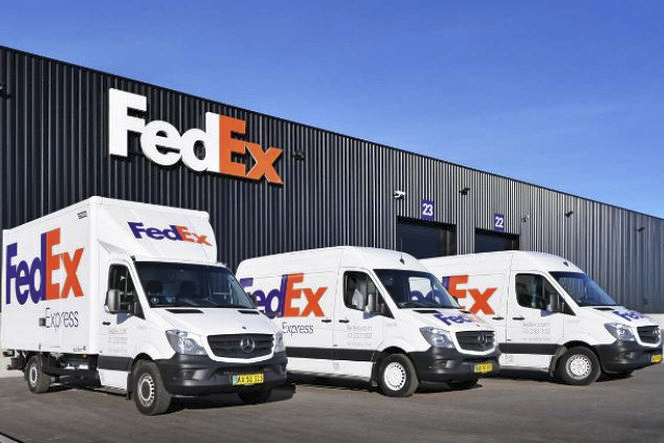
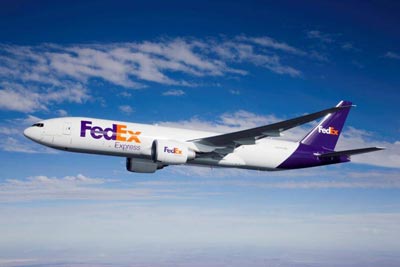
FedEx, formerly known as Federal Express, is one of the world's leading express transportation and logistics companies and a direct competitor of United Parcel Service (UPS). Unlike UPS, which has a much longer history, FedEx was founded relatively recently by Frederick W. Smith in 1971. Nevertheless, within just four decades, FedEx evolved into the world's largest cargo airline and the fourth-largest airline fleet operator globally, employing nearly 300,000 people and generating annual revenues exceeding USD 40 billion.
Today, FedEx operates in more than 220 countries and territories worldwide. The company owns hundreds of aircraft and tens of thousands of ground vehicles, delivering millions of packages every day. As of May 2015, FedEx's market capitalization was estimated at approximately USD 47.3 billion.
Frederick W. Smith developed the concept of a global logistics company while studying at Yale University, where he was a classmate of future U.S. President George W. Bush and former presidential candidate John Kerry.
As part of his academic work, Smith proposed an innovative business model in which a logistics company would take full responsibility for transporting goods from the point of origin to the final destination through an integrated network of company-owned assets, including aircraft, warehouses, distribution facilities, and delivery vehicles.
After graduating from Yale, Smith launched Federal Express in 1971 using an inheritance of USD 4 million from his father, combined with USD 91 million in venture capital funding. Building upon the ideas developed during his university years, he focused on establishing an integrated air transportation system.
Initially, operations were based at Little Rock National Airport in Arkansas. However, after two years of limited success, Smith relocated the company's operations to Memphis International Airport in Tennessee, which remains FedEx's primary global hub today.
Federal Express officially commenced operations in Memphis in 1973 with a fleet of 14 Dassault Falcon 20 aircraft serving 25 U.S. cities. During its first three years, the company incurred substantial losses despite being one of the most heavily funded start-ups in U.S. venture capital history.
In 1976, Federal Express achieved its first annual profit of USD 3.6 million while handling approximately 19,000 packages per day.
During the 1980s, Federal Express expanded its overnight delivery services significantly. The company competed directly with the United States Postal Service by offering overnight delivery of letter-sized packages at a fixed price of USD 9.50. This strategy helped Federal Express become the largest air cargo carrier in the United States, surpassing competitors such as Emery and Purolator Courier.
In 1984, Federal Express acquired Gelco Express, a courier company headquartered in Minneapolis with operations in 84 countries. To strengthen its international presence, the company continued acquiring transportation firms in the United Kingdom, the Netherlands, and the United Arab Emirates. In 1985, Federal Express further expanded into Europe by establishing a regional hub at Brussels Airport.

By 1987, Federal Express provided services to more than 90 countries and secured landing rights at major international airports in Montreal, Toronto, Brussels, London, and Tokyo. To accelerate global expansion, the company acquired Tiger International for USD 883 million.
In 1994, Federal Express officially rebranded as "FedEx." The company reorganized its operations into several specialized business units, including FedEx Express, FedEx Ground, FedEx Global Logistics, FedEx Custom Critical, and FedEx Services. Under the new corporate identity, FedEx continued its rapid growth and strengthened its position as a global logistics leader.
A significant milestone occurred in 2015 when FedEx acquired TNT Express, the world's second-largest express delivery company at the time, for EUR 4.4 billion (approximately USD 4.8 billion). The acquisition substantially enhanced FedEx's market presence in Europe, where its market share had previously been around 5%, compared with DHL's 19%, TNT's 12%, and UPS's 16%.
The acquisition was expected to provide significant competitive advantages by leveraging TNT's extensive road transportation network spanning more than 40 European countries, thereby improving operational efficiency and reducing transportation costs.
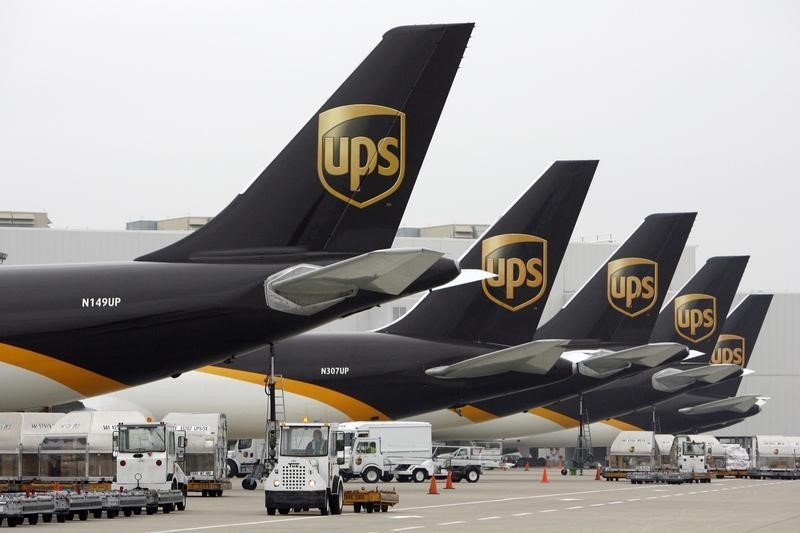
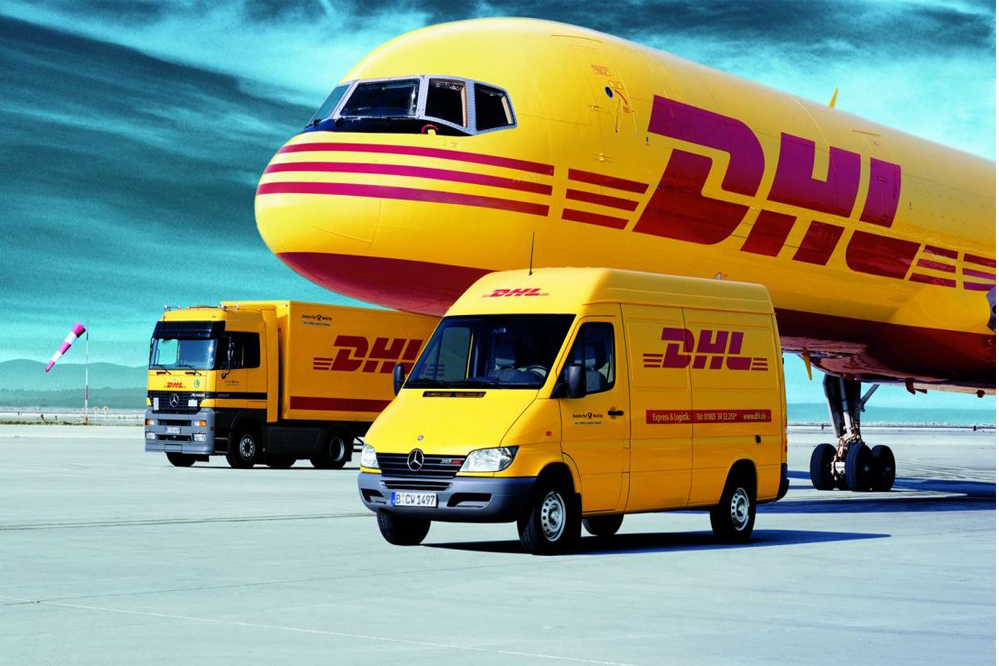
According to industry analysts, the global express delivery market is now largely dominated by three major players: FedEx, DHL, and UPS. The scale and infrastructure requirements of the industry make it increasingly difficult for new entrants to compete effectively with these established companies.
At the same time, the logistics industry faces new challenges arising from rapid technological advancements. On one hand, information technology has enabled companies such as FedEx to enhance service quality through innovations such as real-time shipment tracking and online customer services.
On the other hand, the growth of digital communication platforms and instant messaging applications has reduced the demand for certain traditional delivery services. Like its competitors, FedEx continues to explore new strategies and technologies to adapt to changing customer needs and maintain its competitive position in the evolving global logistics landscape.