worldlink express service co.,ltd
We link the world 
We link the world
According to the company, all newly acquired aircraft will be added to UPS's existing fleet, with none of the current aircraft being retired or replaced. This fleet expansion reflects UPS's commitment to enhancing its global logistics capabilities, increasing network capacity, and improving service reliability in response to the continued growth of international trade and e-commerce activities.
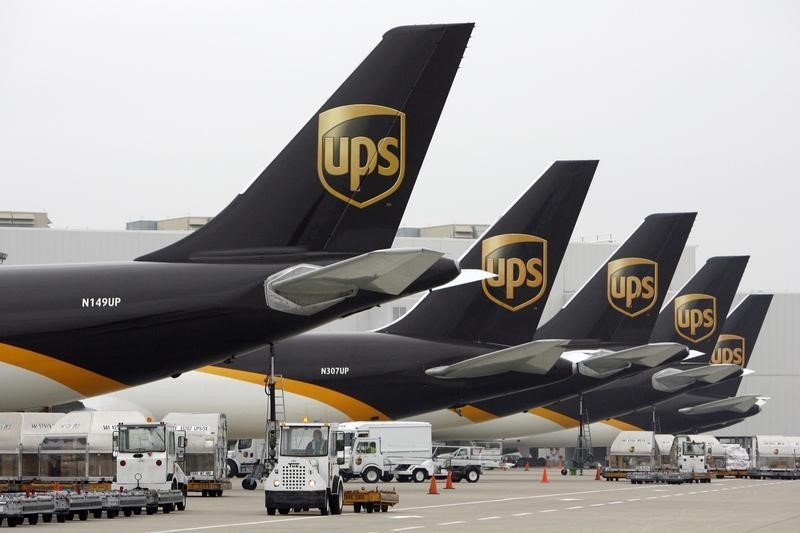
According to UPS's aircraft procurement plan initiated in 2016, the 14 Boeing 747-8 freighter aircraft are being delivered according to schedule.
A total of 32 cargo aircraft are expected to be delivered by the end of 2022, increasing the company's cargo capacity by more than 9 million pounds.
Currently, UPS operates a global fleet of more than 500 aircraft, including both company-owned and leased aircraft.
In 2017, UPS received and put into operation three new Boeing 747-8 freighter aircraft.
Brendan Canavan, President of UPS Airlines, stated: “We have witnessed sustained growth in air freight demand since the 30th anniversary of UPS Airlines. These new aircraft will enable us to further strengthen our air transportation capabilities and support the increasing needs of our customers worldwide.”
The new Boeing 747-8 freighter is capable of carrying up to 46 cargo containers, including 34 containers on the main deck and 12 containers in the lower cargo compartments. Each aircraft offers a maximum payload capacity of approximately 307,600 pounds, equivalent to transporting nearly 30,000 parcels over a range of 4,200 nautical miles.
Meanwhile, the Boeing 767 freighter has a cargo capacity of approximately 132,200 pounds and can accommodate 31 cargo containers, including 24 containers on the main deck and seven containers in the lower hold. The aircraft has an operational range of approximately 3,000 nautical miles.
The Boeing 747-8 Freighter is widely recognized for its enhanced safety, reliability, and operational efficiency. Compared with the Boeing 747-400 and MD-11 freighter models currently in service, the new aircraft reduces noise emissions by up to 30%, lowers carbon emissions, and improves fuel efficiency by approximately 16%.